Excited to announce that my second Dana Hargrove novel, Homicide Chart, has just been released in audiobook, narrated by Yours Truly. Here are the links to Homicide Chart on Audible and Amazon.
Special offer to subscribers to this blog: If you would like to listen for free and post a review, just send me a message through my contact page and I will reply with a code you can use on Audible for a free download!
This is my second audiobook. The audiobook for the first Dana Hargrove novel, Thursday’s List, was released last August. Here are links to Thursday’s List on Audible and Amazon.
I’m having fun narrating these books and plan to do the full series of six. On to the next!
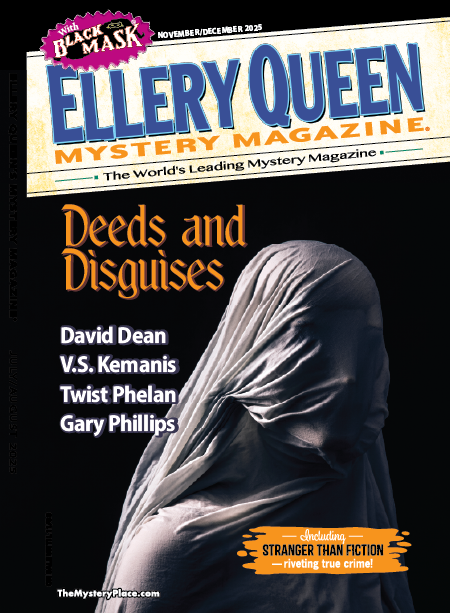
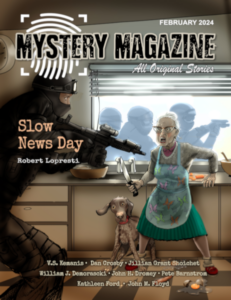
A couple of short stories published this year: “Blade” inPunk Noir(love the name of that e-zine!), and “Counting Windows” in Ellery Queen Mystery Magazine.
Started a (free) Substack, posting (when the whim takes me), stories from my collections, like this one, “At the Crypt.”
I narrated my first Dana Hargrove novel for audiobook, Thursday’s List! ’26 will see the release of the next two Dana Hargrove novels in audiobook.
’24 was far kinder to me than ’23. Here are the highlights.
Just celebrated my 36th wedding anniversary with this guy.
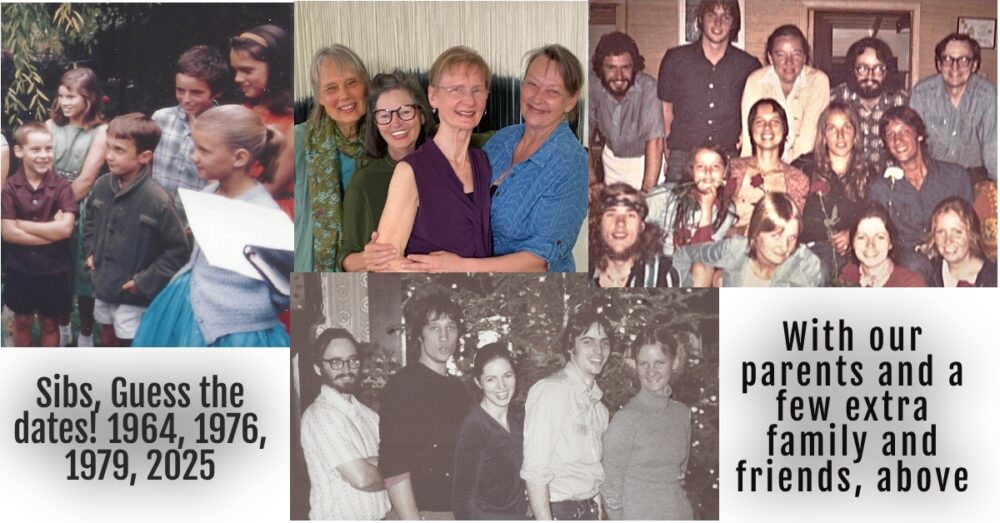
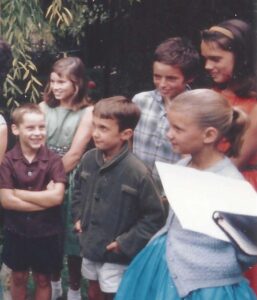
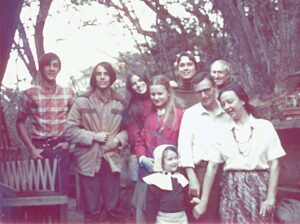
Four of my many siblings visited me this year!
Here we are, a bit younger: The first six of us in 1963, and a photo with the seventh, my baby sister, in 1970-ish (oldest brother isn’t in the second photo.)
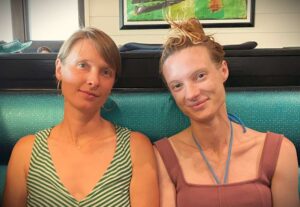
A lot of quality time with my daughters.
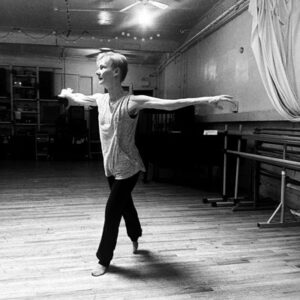
Feeling strong again and dancing almost every day, whether teaching my wonderful adult students at Scarsdale Ballet Studio or taking classes from so many talented and inspirational teachers of ballet, jazz, and contemporary dance.
Entered a new decade with a fabulous birthday party!
Culled through videos of several decades of my dance career and posted compilations of highlights: Vija on Stage, and Vija’s Choreography.
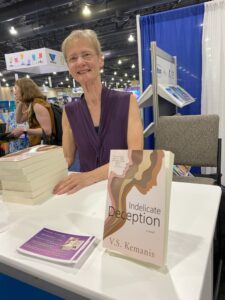
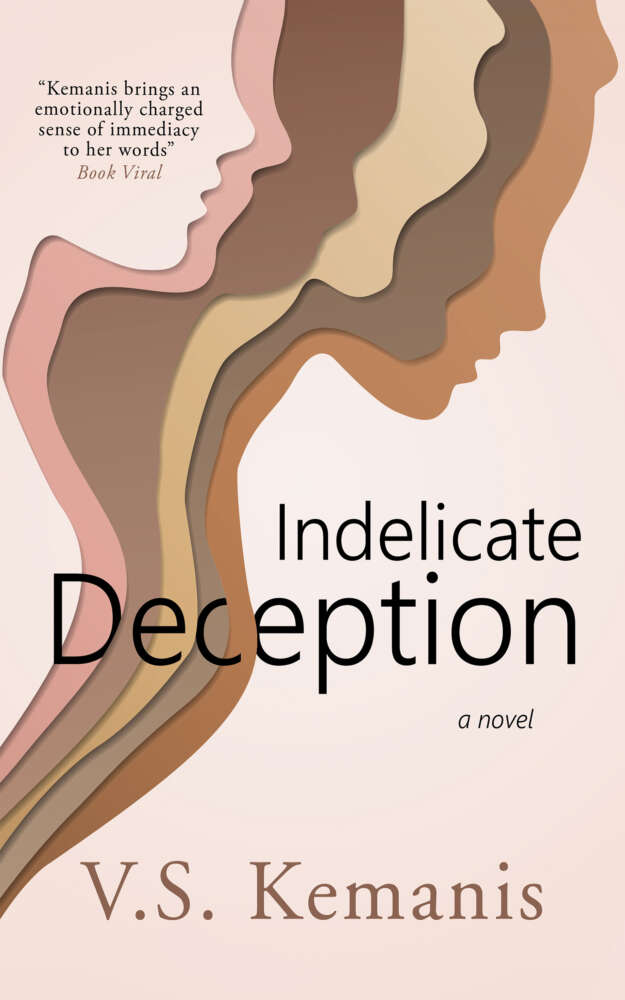
My new novel, Indelicate Deception, releases on April 5, 2025. I chose that date because—why not?—it’s my Latvian Name Day, although the novel has nothing to do with Latvia. Here is how one reviewer describes it:
“V.S. Kemanis’s layered examination of what initially appears to be a love story at the Bay Area epicenter of the flower-power era morphs into a compelling mystery that asks hard questions about race and commitment. In alternating chapters, Indelicate Deception follows Caty, from the 1990s, and her parents, from the early 1970s, until the stories merge and escalate to a chilling conclusion… Caty’s pursuit of the truth pulses with the page-turning urgency of a thriller. Characters shine with dimension and depth as Kemanis offers honest portrayals of human courage and deep flaws.” BlueInk Review (Starred Review)
Here are a few more pre-publication reviews:
“A woman’s quest for the truth unravels a web of secrets and lies that threaten everything she thought she knew about her family in Kemanis’ utterly absorbing novel… Themes of truth, perception, and deception run throughout, urging readers to question how much of our reality is shaped by what we choose to believe. The novel expertly examines how memory can serve both as a comfort and an obstacle to understanding, particularly within the emotionally charged realm of family history. A beautifully crafted and deeply moving story.” — BookView Review (5 stars)
“Gripping, intense, and profound… Evocative prose and authentic dialogue enrich the emotional complexity of the narrative, blending moments of tenderness, humor, and heartbreak. Kemanis masterfully weaves emotional depth with nuanced character development… A captivating, thought-provoking exploration of family secrets and the pursuit of truth.” — The Prairies Book Review
“Colorful prose full of sharply-realized dialogue [and] third-act revelations will keep readers turning pages. An involving story of intergenerational discovery.”— Kirkus Reviews
Like all years, 2023 held the good and the bad. For me, the scale tipped more toward the bad side, but thankfully, most of that is well behind me. I have much to celebrate today, my 35th wedding anniversary, so let me reminisce.
Photo by Qui Nguyen at unsplash.com
Why a picture of coral? Symbolizing longevity and success, coral represents the 35th anniversary. Neither plant nor rock, coral is animal, an invertebrate that can live for hundreds, even thousands, of years! A sign that these beautiful old fossils and their strong union will last nearly into eternity.
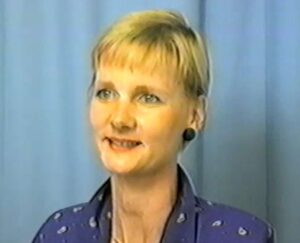
Oops, those aren’t the old fossils but the young cuties in 1987 and 1988, respectively. These are fuzzy stills taken from the video interviews we did at the dating club where we met, then known as American Millionaires International (“AMI”) on West 57th Street in Manhattan. No, we weren’t millionaires or anywhere close, even further from that mark after AMI took a big chunk of our money in membership fees! Worth it, though, right? The people at AMI eventually realized the name was a little off-putting and changed it to “Invitations.”
For those of you in the dating app click-and-swipe generation, here’s how the antiquated system worked in the 80s. I filled out a two-sided, single-page questionnaire with basic info and still photos, what AMI called the “Perfect Match Profile.” I’d go there and leaf through the binders of profiles, find the ones I liked, and ask to see the corresponding videos with scintillating questions like, “What’s your idea of a romantic date?” and “Where do you see yourself in five years?” If I liked a video, AMI would snail mail a postcard to my chosen one, asking him to come in and look at my profile and video. If it’s a “yes” from him, AMI snailed me a postcard with his phone number. It was up to me, the initial chooser, to call the amenable chosen one. If someone chose me first, it would go the other way around. Don’t think I had too many of those.
What a process! Had to be patient in those days.
I’d been in the club for a year and had about eight dates before meeting Kevin. He was new, and I was his first, occasioning his tongue-in-cheek comment that he didn’t get his money’s worth on the exciting dating scene. I told him, “You lucked out big time.” The eight dates I had were painfully awkward. My favorite was the guy who had a fantasy of driving me to the restaurant on the back of his motorcycle. On the phone I said, no way, I’ll meet you outside and we’ll take a cab. He showed up at my building with his motorcycle anyway. On the intercom, I nixed the motorcycle ride again and refused to open the door so he could leave his helmet in my apartment. When we got back from the date, his helmet was no longer dangling from the handlebars.
Six months to the day after our first date at Windows on the World, Kevin proposed—also at Windows on the World. I could guess what was coming as he nervously whispered his practice lines. So could the party of four sitting at the next table. Before Kevin could take out the ring box, one of the men blurted in a Texas accent, loud enough for us to hear, “I think he’s going to propose!” It was a “yes” from me, of course, uttered shyly to Kevin as he put the diamond on my finger, with my back partially turned to that boisterous (drunk?) group.
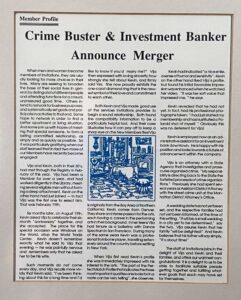
Soon after, we went back to AMI and politely demanded our profiles and videos as keepsakes. When they found out we were engaged, the cry went out, “Engagement here!” Three or four startled singles in the library looked up from the profile books and started clapping. AMI agreed to release our profiles and videos only after shaking us down for a Member Profile Interview to publish in their newsletter. The writer got creative and colorful in exaggerating our respective career titles and “quoting” our remarks about the fabulous AMI system.
And the rest is history.
I owe Kevin, as well as other family members and friends, my gratitude in helping me through my 2023 health setback. Chemo, surgery, and most side effects are now out of the way with complete success, so it’s full speed ahead with good health in the New Year! I had to quit teaching dance for several months, but I’m back now and looking forward to teaching many adult classes in 2024.
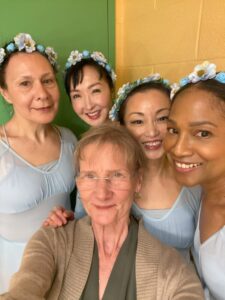
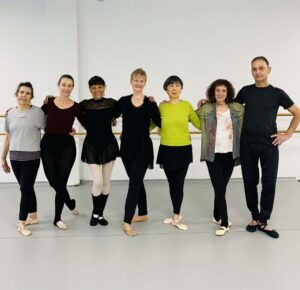
This photo with some of my students at Scarsdale Ballet Studio was taken in February before I went on break. I danced at home during this period to try and keep in shape.
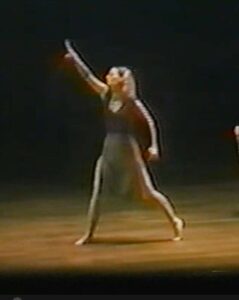
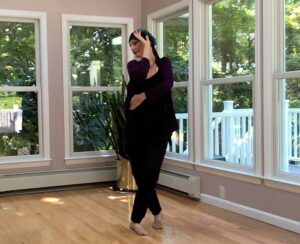
Here is a still from a short piece of choreography I recorded in July, pre-surgery. You can watch it here on YouTube.
The writing life continues. Had a lot of fun appearing on the Voice of Indie podcast in August. You can hear it here. The two hosts, Beem Weeks and Stephen Geez, are excellent writers with interesting books I recommend.
Didn’t get anything published in 2023 but wrote a few stories and I’m close to finishing a book-length collection of short fiction. Murderous Ink Press will be publishing my story, “A Father’s Duty,” in one of their 2024 anthologies. I’m most excited about my new novel, Indelicate Deception, a character-driven family drama with an element of suspense and social thematic underpinnings. Although one of the characters is a lawyer, the novel is a far departure from my Dana Hargrove suspense novels. I finished the first draft early in the year, polished it, and am sending out queries to literary agents. Wish me luck trying to get this book out to the world sooner than later!
Dear friends, here’s to health, happiness, and peace in 2024 and beyond,
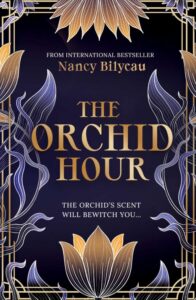
For this installment of Fiction Favorites and Awesome Authors, Nancy Bilyeau returns to talk about her new historical mystery, The Orchid Hour. (Isn’t the cover beautiful?)
The Orchid Hour takes us to the Prohibition Era of the 1920s, when, despite the law, alcohol was flowing freely. The book’s title is the name of a speakeasy that serves as the focal point of the action. Aiming to appeal to a highbrow clientele, the world-class nightclub is decorated with a species of orchid that gives off a heady fragrance only at night. The club’s front is, appropriately, a flower shop, where one must have the trust of the florist to gain entry.
I remember getting a feel for the speakeasy days at a bar/restaurant called Chelsea Place, which operated from 1974 through 1992 on Eighth Avenue in Manhattan. From the avenue, you entered what appeared to be an antique shop. In the back of the “store,” you opened the mirrored door of an antique wardrobe to enter the piano bar and restaurant.
Exciting and glamorous, right? Well, in this novel, Nancy Bilyeau does not shy away from the underbelly of the Jazz Age: bootlegging, gang violence, rising crime, and the Sicilian Mafia (Cosa Nostra). The protagonist, Audenzia De Luca (“Zia”), is an Italian immigrant, young mother, and WWI widow. Two murders that hit close to home give Zia the motivation to transform her conservative appearance and get a job at the speakeasy, where, she believes, she will find clues to the unsolved murders.
No spoilers here! You’ll just have to read the book to find out what Zia discovers! Publishers Weekly (starred review) says, “Historical mystery fans will find this irresistible.” And so did I!
Welcome back, Nancy! Orchids and speakeasies: a unique and interesting combination! How did your vision of The Orchid Hour come to you? Was there any particular NYC nightclub in the Prohibition Era that served as an inspiration?
My vision of the novel began with wanting to write a main character who is touched by organized crime in New York City and that would be part of her story but not her whole story. I created a main character who is born in Italy and immigrates to New York City with her family in the early 20th century but does not act out the stereotypes of Italian American women that you see in movies and television shows.
Because it was Prohibition that basically created the mafia—one of history’s greatest unintended consequences—I thought that putting the novel in the 1920s made sense. I find the first part of the decade more interesting than the second.
The Orchid Hour is a cross between The Cotton Club (which opened at the end of 1923) and Chumley’s, another real-life club, this one a secret speakeasy in the West Village that attracted writers such as Dorothy Parker and Eugene O’Neill.
Your protagonist Zia, a young mother and widow living with her in-laws, is conflicted about her desire to behave according to the more liberal standard American women enjoyed in the Jazz Age as opposed to her family’s rigid expectations under the ordine della famiglia, “the unforgiving, centuries-old code of the villages of southern Italy.” How did these two standards for women differ, and how far did Zia deviate from the Italian code?
Those two standards were a world apart! The ordine della famiglia meant to live for the family, to subordinate yourself to the good of the family. Yet in the 1920s young American women, primarily in the cities, were cutting their hair, shedding their girdles, wearing modern clothes, going out dancing, and seeking independence from their families. To do any of those things was a deviation of the code for Zia.
Some of the characters in The Orchid Hour are purely fictional and others are actual people—especially some of the organized crime figures from the 1920s. What guides you in deciding to use historic figures rather than fictional characters in your novels? As a corollary, what guides you in placing the historic figures in fictional, as opposed to factual, settings and scenes?
I like to put real people in my historical fiction. My main characters are always imaginary, but I often have them playing off real people. From E.L. Doctorow to Philip Kerr, novelists writing fiction set in earlier times have done that. Even Tolstoy slipped Napoleon into War and Peace! These historical figures have had a big impact on the times in which they lived. As I like to put my stories in the thick of things, it seems fitting to populate my stories with these real figures. And they’re such fun to research and write.
Zia’s cousin, Salvatore Lucania, plays a big part in the novel. We get to know Sal through Zia’s eyes, first, as a sympathetic character, then, as she slowly awakens to his true nature and criminal behavior. I thought this was an inventive way to draw both sides of his character, the good and the bad. Any reader who goes into the novel without knowing much about the Mafia [I’ve withheld his more commonly recognized name here!] will be awakened along with Zia. Did you take liberties or stay true to your research in creating Sal’s gentler side?
I did a lot of research into Salvatore Lucania. We won’t give away his nickname, but he’s considered one of the “founders” of the American mafia in the 20th century. He didn’t give many interviews, to put it mildly, and the book about his life that was supposedly written “with” him is most likely a hoax. There’s a ton of contradictory information about how violent he was, how intelligent he was, and what his attitude toward women was. I did follow the most-accepted facts about his family background (abusive father), early poverty, education, and first arrests. Salvatore said he never wanted to have children because he didn’t want to have a son who’d be ashamed of a criminal father. That tells you a lot.
Finally, a question that may be of interest to writers. The Zia chapters are in first person, and other chapters with different POV characters are in third person. What considerations went into deciding this structure for The Orchid Hour?
All of my novels up to now have been written in the first person. I wanted to experiment in this book. I think it increases suspense to bring in other points of view. Sometimes the reader knows more about a threat to Zia than Zia knows herself!
Thank you, Nancy. We look forward to your next great novel!
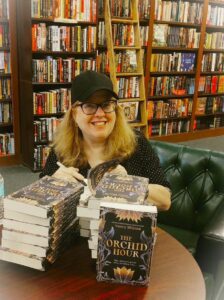
Dear readers: If you happen to be in Manhattan, pick up an author-signed copy of The Orchid Hour at The Mysterious Bookshop. (They also ship if you want to order online.)
The Orchid Hour is also available wherever books are sold, including these: Bookshop.org, Barnes & Noble, and Amazon (P.S. The e-book is currently on SALE for 99 cents on Amazon for a week).
Nancy loves to place strong female heroines in fascinating historical settings. Check out Nancy’s website for descriptions of all her novels.
“Informed, thrilling action in and out of the courtroom, and few can portray it better than V.S. Kemanis. Highly recommended.” — The San Francisco Review of Books
Looking back at this time last year, I recall the general mood among so many people to be done with 2020, with big hopes for a brighter 2021. In some ways it seems like “déjà vu all over again” after a year of continuing societal, economic, political, and health challenges for many of us.
But the threshold to a new year also presents the opportunity to count our blessings and make resolutions to build on the year’s accomplishments. As I wrote on this day a year ago in 2020: Positivity and Perfect Vision, I choose to “Accentuate the Positive”! I hope that you have found many positives in 2021 to keep you going strong into 2022!
Foremost, I’m grateful for my husband and daughters, sisters and brothers, friends and neighbors. In new ways, we got to know each other better and support each other.
My husband and I did not travel much in 2021, but the trip we took to Niagara Falls in April was a highlight, beautiful and memorable. Read all about it in my Discovering America Travelogue (5): Waterfalls! I look forward to new road adventures in 2022.
2021 was filled with my two favorite activities: dance and fiction. My adult ballet students stuck with me for many wonderful virtual classes through the first half of the year, and I resumed teaching in the studio in the fall.
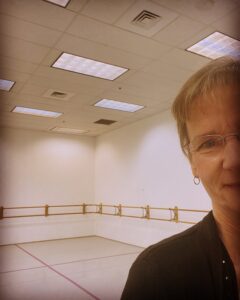
Scarsdale Ballet Studio: quiet moment before class, Fall 2021!
For the students still dancing at home, I created and posted instructional videos. Are you a dancer? Check out my YouTube Channel for adult ballet and jazz dance classes!
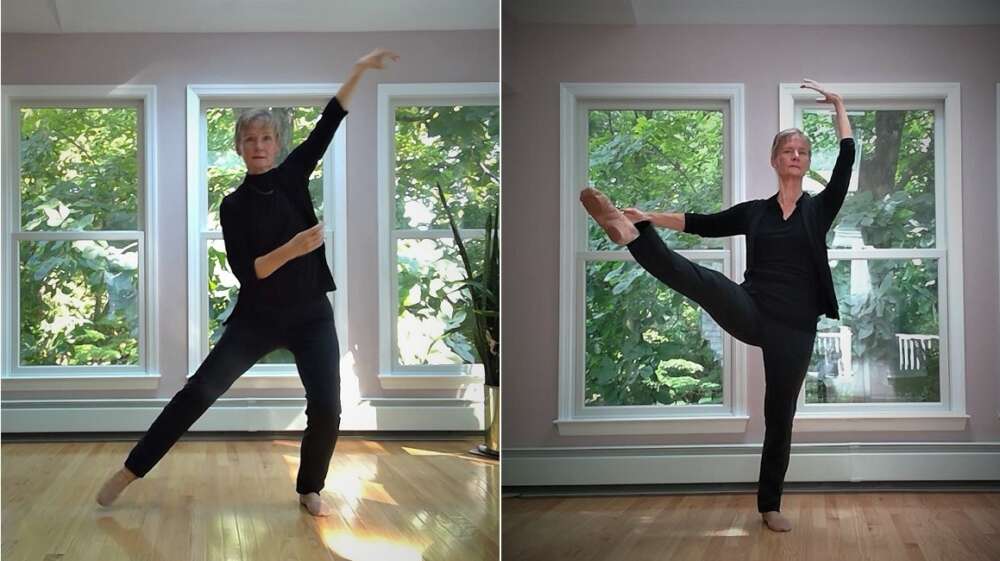
My home studio: Jazz dance and ballet classes on YouTube
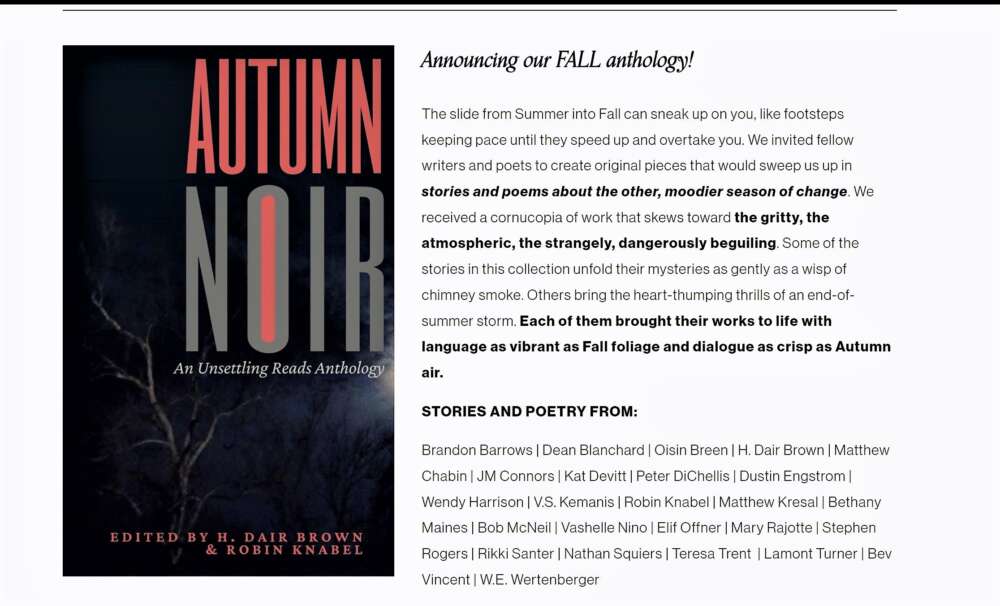
On the fiction front, my suspenseful story “Golden Silence” was published in a fantastic anthology, Autumn Noir. Don’t be fooled by the story’s title—the tale is darker than “golden” and quite atmospheric…
“Golden Silence” in Autumn Noir
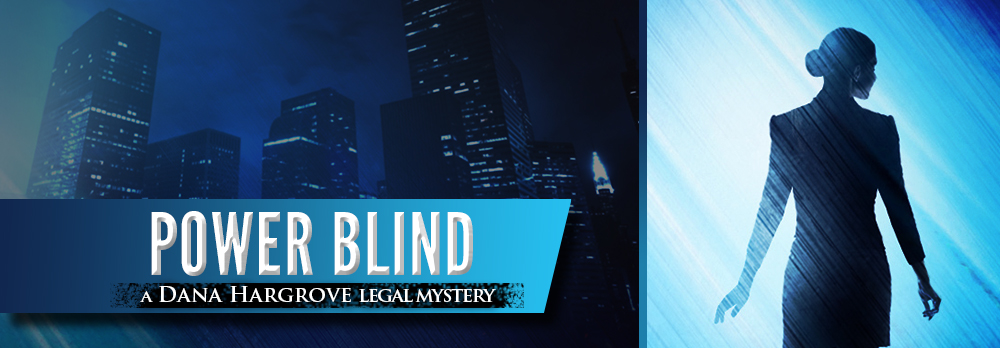
My sixth, and last, Dana Hargrove novel is scheduled to release January 25, 2022, and currently on pre-order everywhere. Power Blind! I’m proud of this one. Anyone reading this blog post may request a free digital review copy. Read more about Power Blind on this website (links: book summary and non-spoiler book review excerpts) and if you think it’s for you, send me an email through the Contact Page.
Power Blind, the sixth standalone Dana Hargrove legal mystery!
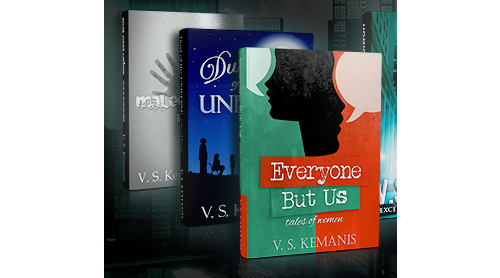
Story Collections, 2022 editions, now on Kindle Unlimited
And speaking of free stories, here’s one you can pick up for free on several sites: Wattpad, B&N, Apple, and Kobo. “GEN LD3” is my first attempt in the soft sci-fi genre. Influenced by the events of 2020-2021, the story starts out rather dark, but has an uplifting ending. I hope you like it.
GEN LD3: A short story
Meanwhile, ideas for new stories and a novel are swirling in my head. I eagerly await more pounding on the keyboard!
Thanks for reading. Here’s wishing you and yours a very Happy and Healthy New Year! V.S.K.
In 1989, the lure of big cash, fame, and glory, inspired me to write my first novel. The “Turner Tomorrow Fellowship Award” called for unpublished works of fiction on the theme of creative and positive solutions to global problems. Set in 2020, with an oh-so original title, Perfect Vision was to be my stunning debut novel, featuring a cast of fascinating, prescient characters who creatively avert a future dystopia. I gave it a happy ending. Sadly, however, Ted Turner passed on this masterpiece, cliches and all. The trash can wasn’t so picky.
Accentuate the Positive
Now, as we say goodbye to the actual 2020, I’m giving the final page a happy ending. “You’ve got to accentuate the positive, eliminate the negative,” Bing would sing. I hope you’ve been cheered by at least a few positives this year. Here are mine.
My writing brain took a while to refocus, but now I’m well into a draft of the sixth, and final, Dana Hargrove novel. Title to be announced! I’m also working on a new story collection.
In February, before the pandemic hit, we had a fantastic road trip through Southern states. Click on my travelogue for all the highlights: routes, sights, events, food, and more.
Social Distancing = More Socializing
Say what? This year has seen more frequent socializing—but of a different kind—with neighbors, friends, and family.
Used to be that the only breathing creatures out for a walk on our quiet cul-de-sac were the deer and squirrels. That changed with homeschooling and work at home. Now everybody needs to get out for a little fresh air and a walk. We’ve had many socially distanced conversations with our wonderful neighbors, and during the warm months, even had a few happy hour gatherings in the turnaround at the end of our cul-de-sac.
Speaking of walks, we are blessed with many beautiful nature trails in the area, and it’s been nice to see more families out together walking. One day, I was surprised to hear a lone saxophone player in the woods. Click here to go to my Instagram post to hear the beautiful sound.
We’re all Zooming, of course, and this has meant more interaction on screen with my children, siblings, and other family members who do not live nearby (why didn’t we always do this?) My longstanding book group of close friends, the Lit Chicks, have had more meetings online than ever before, and I found a new online book group full of smart, insightful fiction lovers, Books and Bars. Great books and intelligent conversation!
Dance, Dance, Dance
Virtual dance classes at home make it easier to get to class! Kevin installed a beautiful wood floor in our sunroom this spring, giving ample space to take class and teach class.
Wasn’t so easy, figuring out camera angle, sound, and virtual teaching techniques, mirroring and saying “left” when I’m on my right. A fun challenge. The sides of my brain may be permanently switched. To my dedicated group of adult dancers at Scarsdale Ballet Studio: thank you! It’s been wonderful teaching you ballet and jazz and watching you dance on my screen.
And so ends another year, with great things to look forward to in 2021. I’m grateful for my health and the health of my family. Yesterday, December 30, Kevin and I celebrated our 32nd wedding anniversary.
Here’s wishing you a Happy and Healthy New Year full of laughter, dance, fiction, and fun.
Excuse me while I teleport back to New York of April 2020, into this surreal mix of pandemic grief and lockdown amid a gently emergent spring, pink blossoms and fragrant air. My transport is experiencing delay. I’m still walking the streets of war-ravaged London, Christmas 1947, where the foundations of bombed-out buildings, under a light frosting of snow, suggest the outlines of ancient Roman ruins—the key to a puzzling series of murders.
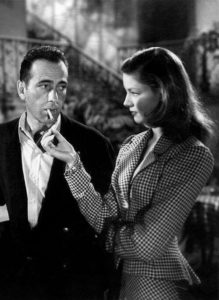
Give me another sec. Almost here, still a bit there. Let me knock back the last tumbler of gin and crush out my red lipstick-stained cigarette. Unfiltered.
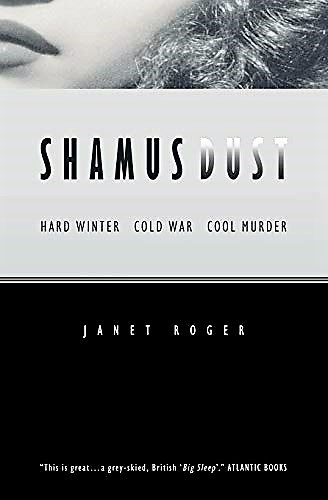
Janet Roger is to blame. Her debut novel, Shamus Dust, pulled me in and keeps running like a 40s black-and-white film noir on the brain.
I’m no fan of categories and hesitate to apply a label or “genre” to this work of art. Hard-boiled, gritty, and atmospheric, yes, but also poetic and literary. Roger confesses a Raymond Chandler influence, and the similarities are evident, but her prose isn’t as spare and tough when she’s in the mood to embellish. There are moments when this book is purely about the writing. While some reviewers say that it takes them out of the story, this lover of language found it right up her alley. More on that later.
The story is told from the point of view of an American private investigator called Newman, or Mr. Newman—a man who possibly lacks a first name. An insightful interpreter of human frailties and dark motives, Newman moves in a world of distinctive characters from every stratum of society. By the end of the book, the upper crust is looking seedier and far less heroic than the inhabitants of London’s underbelly. Roger has created a large cast of characters, gradually dropping tidbits to reveal their back stories and relationships. To mention a few: Councilman, archaeologist, entrepreneur, architect, lawyer, medical examiner, police commissioner, detective inspector, nurse, barber, haberdasher, pimp/blackmailer, various prostitutes, and a homeless shell-shocked WWII vet. Add several murders, a rotating field of suspects, a complex web of clues, and you’ve got one hell of a novel, with an ending you won’t see coming.
Shamus Dust is not a beach read or superficial entertainment to pick up when you’re mildly distracted. You’ll need to take this one slowly to savor the language, its sophistication, wit, irony, unique metaphors, and turns of phrase. You’ll need time to ponder the complexity of the plot. The author honors the reader’s intelligence, never overstates, poses one intriguing puzzle after another. She follows Newman through London without revealing what he’s up to in a scene until, several pages on, the reader is allowed to discover the meaning of the interaction. There are many of these “ah-ha” moments, opportunities to marvel at the cleverly interlacing intricacies.
The writing style. The word choices. Here are just a few.
Physical descriptions that instantly evoke an image:
“The kind of room where you’re meant to sit at night in a cravat and a quilted robe reading Kipling by firelight until the Madeira runs out.”
A woman with a “mouth that made the fall of dark-red hair look incidental.”
“Littomy’s nose was built for a profile on old coins.”
A man’s “hair shone in flat stripes across the dome of his head, where you could count them if conversation ran thin.”
At a party attended by the one percent, a young scion is “wearing black-tie as if he’d been weaned in it.”
Chandleresque:
A volatile thug looks like “he could hurt a man and enjoy the work.”
Witty dialogue:
The butler to a sloshed hostess asks Newman what he would like to drink. He replies, “Not a thing. Mrs. Willard will be taking cocktails for both of us.”
And how are these lines for poetry?:
“Night was crawling in a deep, wet hole.”
“She put a hand flat against my chest and her gaze dipped back in an ocean, then surfaced again, dripping its dark purple lights.”
“He looked wild-eyed around a room so hushed you could hear him blink away the tears.”
The book opens with one of my favorite, longer passages. Newman says he has never had trouble falling asleep and “sleeping like the dead” until now:
“Lately, I’d lost the gift. As simple as that. Had reacquainted with nights when sleep stands in shrouds and shifts its weight in corner shadows, unreachable. You hear the rustle of its skirts, wait long hours on the small, brittle rumors of first light, and know that when finally they arrive they will be the sounds that fluting angels make. It was five-thirty, the ragged end of a white night, desolate as a platform before dawn when the milk train clatters through and a guard tolls the names of places you never were or ever hope to be. I was waiting on the fluting angels when the telephone rang.”
Wow. Any insomniac (namely, me) can relate.
Now, don’t you want to read something like this? I may teleport back there now.
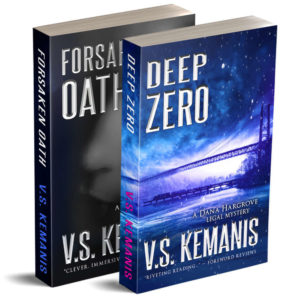
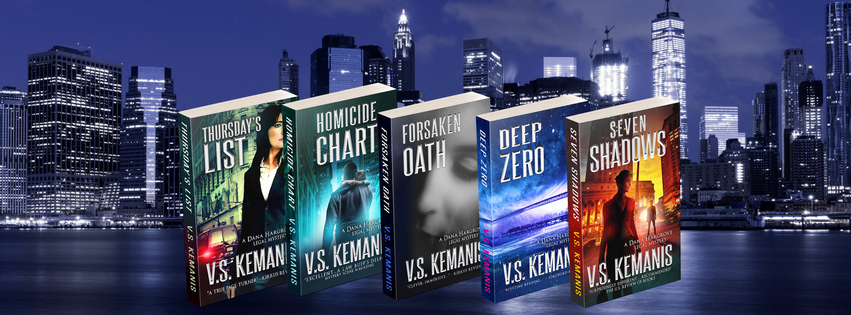
If you’re not on KU, you can purchase these “Dana Hargrove Doubles” in e-book for much less than buying them separately. Here’s Forsaken Oath and Deep Zero:
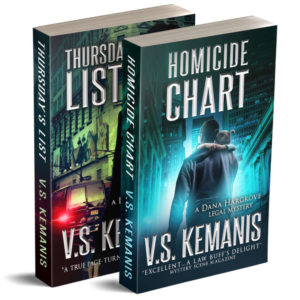
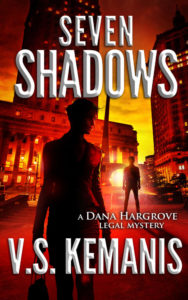
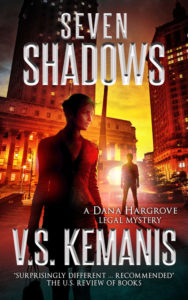
It’s been such a pleasure to distribute the Dana Hargrove novels in the most affordable format, introducing them to a new wave of fiction lovers. Since their release in mid-January, readers have been devouring the pages and leaving such wonderful reviews and feedback. And the Dana Hargrove Doubles are a good way to get the full experience of Dana’s world, from the time of her rookie days in Thursday’s List through her days as an elected D.A. in Deep Zero, before you pick up and read her latest story, Seven Shadows.
Thursday’s List is where it all started for Dana. The novel takes place in 1988, when Dana was a mere fledgling, 26 years old, with a promising legal career ahead of her. Each standalone novel in the series skips several years, finding Dana at distinct stages of her personal life and career. Seven Shadows takes place in 2015. Dana is 53, a respected trial judge and now, more than ever, controversial cases throw the judge into dilemmas of conscience, and people from her past reappear, threatening Dana and her family.
After writing five novels featuring this dynamic woman, I am fully immersed in her life and have grown close to her family members, friends, and colleagues. My alternate reality!
Readers of mystery, suspense, thriller, and crime fiction will love author Debbi Mack‘s podcast, Crime Cafe. She has interviewed dozens of authors, and chances are, your favorites are among them. You can find links on her website. I enjoyed talking with Debbi recently about the Dana Hargrove novels and my experience in the law. Debbi and I have much in common, as fellow attorneys who write legal thrillers. Click here to listen to the podcast!
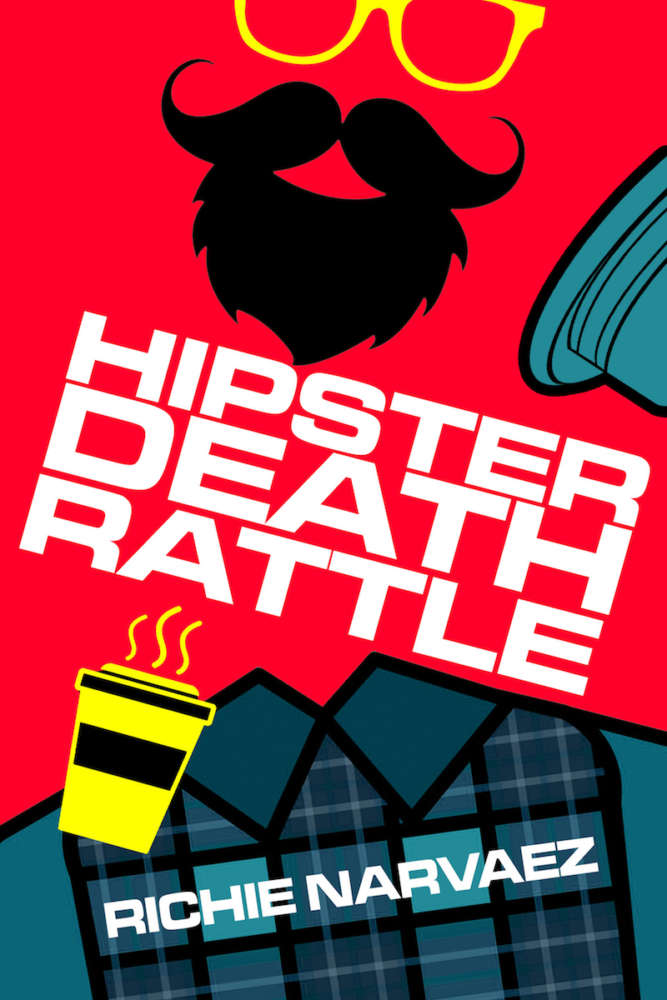
For this installment of Fiction Favorites and Awesome Authors, I’m delighted to welcome author Richie Narvaez to VBlog for a conversation about his recently released debut novel.
The title alone piques your interest, doesn’t it? And how about that cover art by JT Lindroos? Very eye catching. But more important: This is a debut novel not to miss.
If you
like crime fiction and want something different and unique, this is for you,
especially if you live, or have ever lived, in New York City. To avoid spoilers,
I won’t give away any more of the plot than what’s in the publisher’s blurb:
Murder is trending. Hipsters are getting slashed to pieces in the hippest neighborhood in New York City: Williamsburg, Brooklyn. While Detectives Petrosino and Hadid hound local gangbangers, slacker reporter Tony Moran and his ex-girlfriend Magaly Fernandez get caught up in a missing person’s case—one that might just get them hacked to death.
Filled with a cast of colorful characters and told with sardonic wit, this fast-moving, intricately plotted novel plays out against a backdrop of rapid gentrification, skyrocketing rents, and class tension. New Yorkers and anyone fascinated with the city will love the story’s details, written like only a true native could. Entertaining to the last, this rollicking debut is sure to make Richie Narvaez a rising star on the mystery scene.
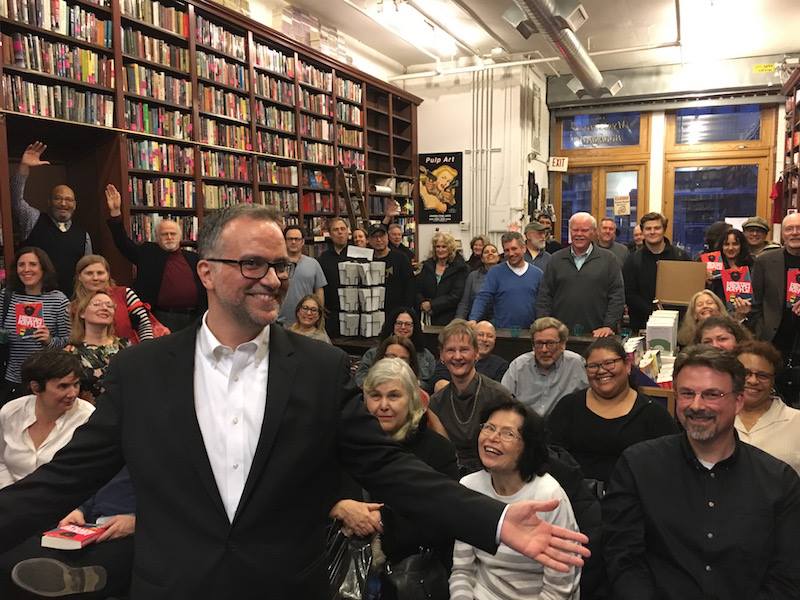
I was fortunate to attend the launch party for Hipster at the Mysterious Bookshop in Manhattan, where the author treated us to a reading of the first few pages. His lively and vivid writing was made even more so by his spot-on delivery and timing. Let’s hope that an audio book narrated by Narvaez himself is in the future.
The novel features a large cast of characters, people from all walks of life and many ethnicities. From a lesser author this might pose a problem, but Narvaez has a knack for making his characters memorable. They come alive on the page through quirky physical traits, dialogue and actions, details about where they live, what they eat, what stores they patronize, and the pets they own. In one scene, for example, a seven-month pregnant thirtysomething yuppie named Erin and her husband Steven (for whom she has endless cutesy nicknames such as “Stevely,” “McSteven,” and “Steve-o-rini”), dine at a new Burundian restaurant in Williamsburg and, slightly nauseated from the Burundian bananas and beans, return to their condo in an upscale, glittering glass tower with river view, where Erin smartly thanks her Mexican doorman with a “Gracias,” confident in the perfection of her Spanish accent because she actually once had a Mexican friend in Texas who complimented her on it. I was laughing.
As you may
guess from the book blurb, there are, indeed, machete slashings in Hipster, but if excessive gore gives you
nightmares (as it does for me), rest assured that the bloody details are kept
to a relaxing minimum, leaving the reader to use his or her imagination, as
desired. In the context of the murder mystery and police investigation, social
commentary about gentrification and ethnic tensions is expertly woven into the
plot in a non-preachy, entertaining way. The author gives us, for example, the dying
thoughts of some of the victims, which invariably include emotion-laden regrets
about the imagined fate of their apartments after they die. It’s hilarious, but
at the same time, a statement about the universal preoccupation of New Yorkers with
housing and real estate.
And now, I’m
pleased to say that the author has graciously agreed to answer some of my
burning questions.
Welcome to VBlog, Richie. I thoroughly enjoyed Hipster Death Rattle. Social commentary figures prominently in your novel, enhancing, never detracting from, the story line and characters. What led you to incorporate this theme into a murder mystery as opposed to, say, a literary or mainstream novel, and what do you see as the advantages of this format?
Ah, well, I did originally try to write Hipster as a mainstream book, but it was too close to me and I stumbled. I couldn’t get past my own bitterness about gentrification in Williamsburg, and all the characters were just talking points, not people. I needed a plot to anchor my pain and my ideas.
And that’s the thing about
genre writing isn’t it, the thing that drives literary or mainstream snobs mad:
it’s got plot! I could’ve done this as a horror or sci fi novel, but crime
fiction is the most grounded of the so-called genres, and I wanted this story
to have literal resonance, not metaphorical. And crime fiction is a very
flexible format—flexible as a dancer! You ignite the story with the mystery,
and the process of its being solved allows the protagonists and the reader to
encounter people and points of view.
Of course some readers would
prefer to have their corpses served without a side of social commentary, so I
may lose those readers. But many of the greats—Christie, Chandler, Highsmith,
Paretsky—have social commentary in their works. Crime fiction is actually a
perfect vehicle for social commentary.
I knew there was a reason I keep dancing—to make my crime fiction better! As for the flexibility of the genre…maybe this book was therapy or vicarious payback for you? (“Lolz,” as your character Gabrielle likes to say.) “No one there is who loves a hipster,” whispers the murderer as he comes upon his next victim. How much of this is personal for you, based on your experience, witnessing the gradual transformation of the neighborhood of your youth?
It’s all very personal. I was
born in Greenpoint Hospital and raised in Williamsburg, Brooklyn. I went away
for college, but then returned to witness the rise of gentrification. Slowly,
gradually, I saw people displaced, many of my friends and relatives, and I saw the
disrespect and erasure of the culture of the people who had lived there for so
long.
To be clear, gentrification is
not a natural process. Yes, neighborhoods change hands all the time, but
gentrification is different, it’s insidiously manufactured, a combination of
real estate developer and governmental cunning, urban renewal for profit, not
for people.
I’m not sure how much payback
there is in writing the book. The Powers that Be would likely not take notice,
and they will likely never be punished for their greed. But, therapy, yes, a
little. Although the pain does not go away completely. It just feels better for
a little while.
Carpe diem, Richie. My Latin is a little rusty, but…
Hah! Habeas corpus and obiter
dictum!
Touché! Yes, we lawyers tend to sprinkle in the Latin and forget that it isn’t English. But I did learn some new non-legal Latin from your book. I like the way you worked it into the dialogue between Chino and his former college professor and bad guy, Litvinchouk. We understand most of it in context, and it adds a lot of humor to their relationship. How did this idea come about?
The Latin thing came ab initio from the fact that the person I
partially based the character of Chino on actually did minor in Latin in
college. So at first it was just a neat character detail, and it allowed me to
spend hours learning some very basic Latin myself. But then I realized it added
some irony. People hate hipsters for being snobby. Yet, here is a main
character who holds on to and cusses in a dead tongue, a language darling to
the elite and the intellectual. Also, Chino is a Latino who can speak Latin but
not Spanish, underlining his separation from his own culture, Othering him to
underscore his status as another kind of hipster himself.
What are your tips for writers who want to incorporate irony and humor into their writing? Or does this just come naturally to you and woe to us?
I have to say the humor seems
to come fairly naturally for me. A genetic quirk. Or the legacy of a sensitive
childhood. Although, I have to say, in the first draft of Hipster there was no humor. I was trying to be a serious crime
writer and write seriously about a serious subject. But I realized I wasn’t
very satisfied with that, and it kind of bored me. So I went back and added in
the funny.
Now, it’s difficult to tell
someone how to be funny and ironic. Not taking yourself too seriously is key.
And I will say the chief tool to use is surprise. Humor and irony come out of
the unexpected. So, as you’re writing along, stop and think about what everyone
expects will happen or be said next, and then do the opposite or at least
sideways, something silly and/or something that resonates with the theme of
what you’re trying to say. In any case, don’t give the readers what they
expect.
Good advice for writers, but I won’t allow you to thwart something I’m expecting from you: more great writing. What’s next? What’s on your computer screen these days?
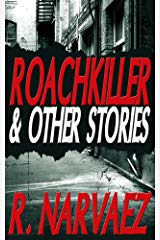
Littering my desktop are several short stories in various stages as well as a novel, but that seems to be a permanent state of affairs for me. At the moment I’ve got a YA novel making the publisher rounds. And there’s a second book of short stories, to follow Roachkiller and Other Stories, I hope to have out next year.
Best of luck on all these endeavors, Richie. I look forward to reading your next book.
Dear
Readers,
You can get Hipster Death Rattle from Down and Out Books (see also links to booksellers on the Down and Out Books site), and at the Mysterious Bookshop.
After
reading Hipster, if you’re looking
for more good summer reading, I’ve built up quite an archive of book reviews
and author Q & As. Click the VBlog tab, and then, on the sidebar, “Fiction
Favorites and Awesome Authors” or “Legal Eagles” (my series on attorneys writing
fiction). You will find articles on books by all of these amazing authors and
more: Kevin Egan, Nancy Bilyeau, Manuel Ramos, Allison Leotta, Adam Mitzner, Kate
Robinson, David Hicks, Helen Simonson, Eowyn Ivey, William Burton McCormick, and
Allen Eskens.



















 Wasn’t so easy, figuring out camera angle, sound, and virtual teaching techniques, mirroring and saying “left” when I’m on my right. A fun challenge. The sides of my brain may be permanently switched. To my dedicated group of adult dancers at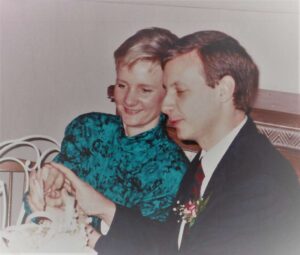

 Give me another sec. Almost here, still a bit there. Let me knock back the last tumbler of gin and crush out my red lipstick-stained cigarette. Unfiltered.
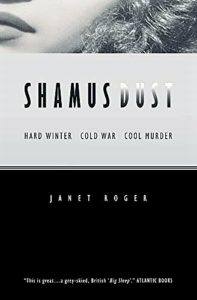 Shamus Dust is not a beach read or superficial entertainment to pick up when you’re mildly distracted. You’ll need to take this one slowly to savor the language, its sophistication, wit, irony, unique metaphors, and turns of phrase. You’ll need time to ponder the complexity of the plot. The author honors the reader’s intelligence, never overstates, poses one intriguing puzzle after another. She follows Newman through London without revealing what he’s up to in a scene until, several pages on, the reader is allowed to discover the meaning of the interaction. There are many of these “ah-ha” moments, opportunities to marvel at the cleverly interlacing intricacies.